
REIKI TRAINING
Learn Reiki. Cultivate Inner Peace. Deepen Your Practice.
Reiki is more than a healing technique. It is a path of self-discovery, inner peace, and spiritual growth.
Rooted in Komyo ReikiDo, a traditional Japanese approach to Reiki, my training offers a grounded, experiential way of learning through meditation, self-practice, and hands-on experience.
Reiki is not something we simply learn in a classroom. It is a practice we grow into over time. My approach to teaching encourages you to explore Reiki through your own experiences, cultivate awareness, and discover how the practice can become a meaningful part of your life.
REIKI LINEAGE
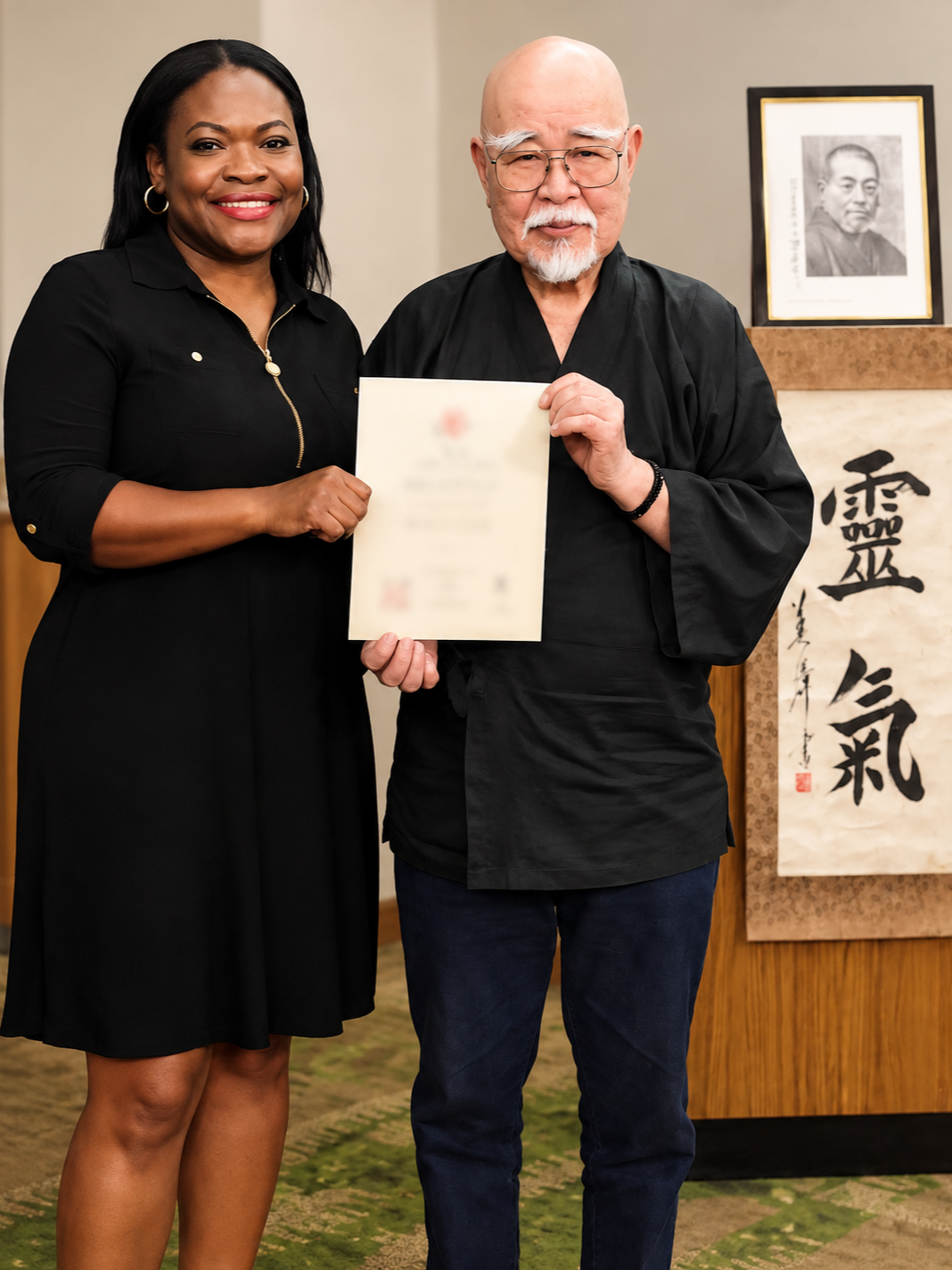
My Komyo ReikiDo Teaching Lineage
Usui Mikao → Hayashi Chujiro → Yamaguchi Chiyoko → Inamoto Hyakuten → Shihan (Reiki Teacher) Tiffany
Reiki Lineage – Komyo ReikiDo
Reiki's origins trace back to Mikao Usui, who established Usui Reiki Ryoho in Japan in 1922. His student, Chujiro Hayashi, continued the teachings and played an important role in their transmission.
Hawayo Takata, who studied with Hayashi, brought Reiki to Hawaii and helped introduce it to the Western world. Another student of Hayashi, Chiyoko Yamaguchi, continued practicing Reiki in Japan and later taught Hyakuten Inamoto, who founded Komyo ReikiDo in Kyoto.
These teachers helped preserve and share Reiki across generations, connecting its Japanese roots with the practice taught around the world today.
Grounded in the Japanese tradition of Usui Reiki Ryoho, Komyo ReikiDo embraces a practice-centered approach that values presence, consistency, and personal experience. Rather than adding unnecessary complexity, it encourages us to return to the fundamentals of Reiki, reflecting the Japanese aesthetic of “Less is More.”
The name itself reflects the spirit of the practice:
Komyo — Light or illumination
Reiki — Sacred energy of the universe
Do — Spiritual path or way
This philosophy of simplicity, trust, and allowing Reiki to unfold naturally is reflected in the Komyo ReikiDo motto:
Place your hands. Surrender. Smile.
My experience studying Komyo ReikiDo in Japan strengthened my connection to the tradition and deepened my appreciation for its teachings. The experience continues to shape how I practice Reiki and what I hope to share with my students.
TEACHING PHILOSOPHY
My Teaching Philosophy
I believe Reiki is best understood through experience, not simply through reading, memorizing techniques, or receiving attunements. The practice begins with ourselves, and making time for daily self-Reiki is one of the most important foundations I encourage my students to develop.
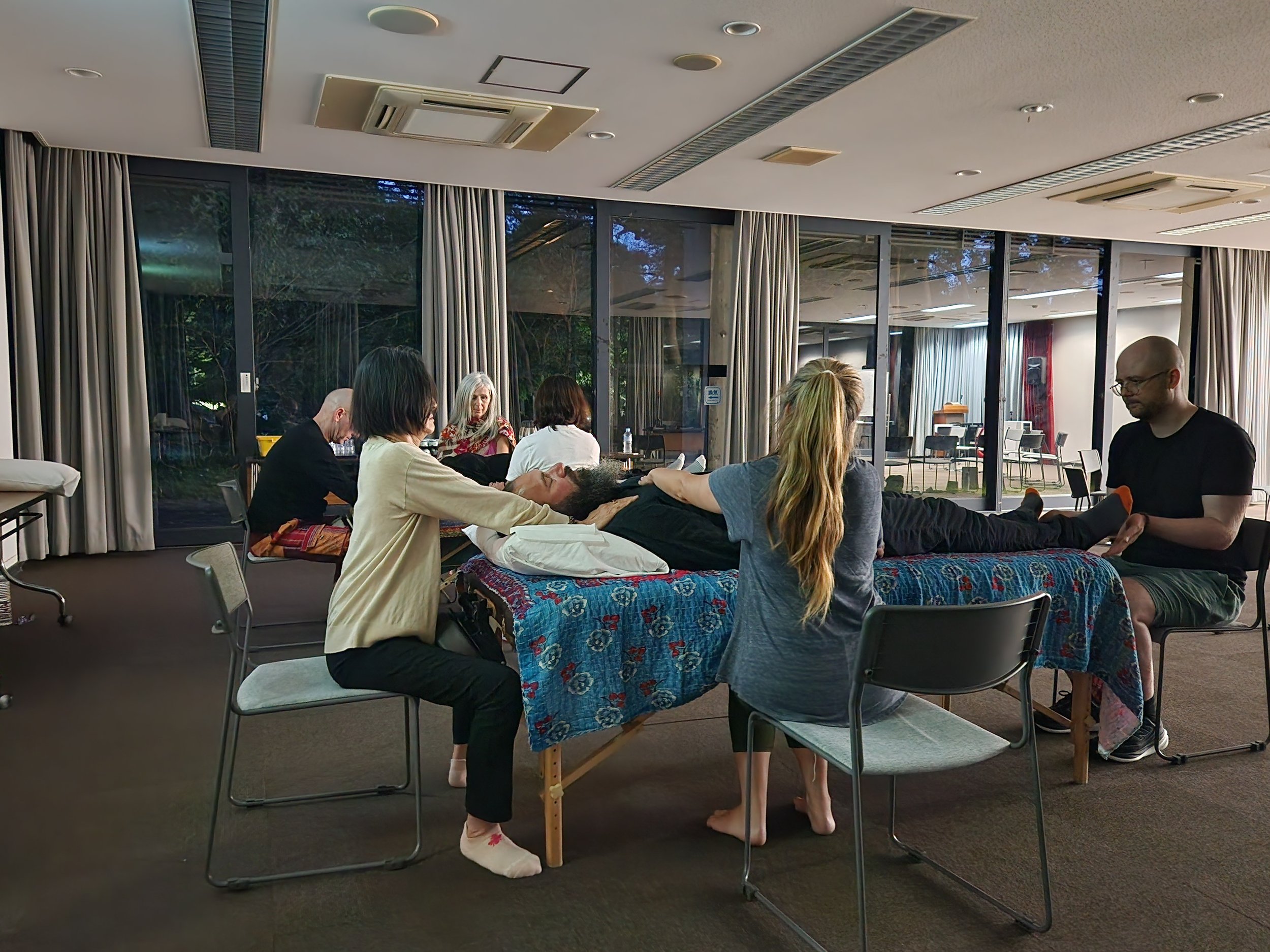
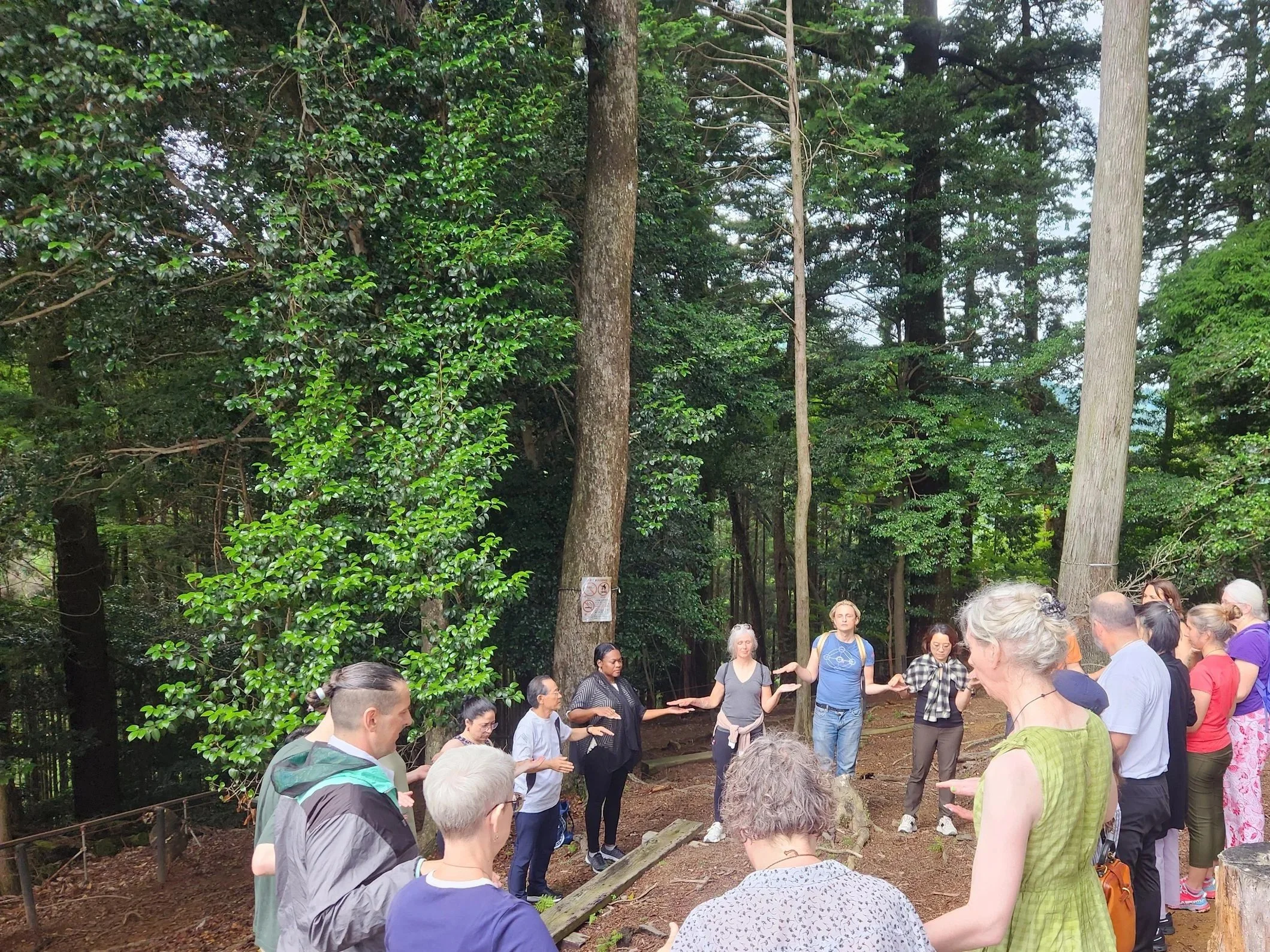
During my training in Japan, I was reminded of how subtle yet powerful Reiki can feel. Following our attunements, there were moments of spontaneous laughter, joy, and a beautiful sense of connection among everyone in the room. Those experiences reinforced something meaningful for me: Reiki doesn't need to be forced or complicated. We can trust the process and allow our experiences to unfold naturally.
As a teacher, I want students to feel comfortable exploring Reiki through hands-on practice, meditation, and personal reflection. I honor the traditional teachings of Komyo ReikiDo while encouraging each student to develop their own understanding and relationship with the practice.
My intention is not simply to teach students how to practice Reiki, but to help them build a foundation they can carry into their daily lives, beginning with themselves.
My background in intuitive and spiritual guidance has also shaped the way I listen, observe, and support others. While my Reiki classes remain grounded in the traditional teachings of Komyo ReikiDo, I recognize that each student brings their own experiences, perspectives, and personal gifts to the practice.


TRAINING LEVELS
Reiki Training Levels
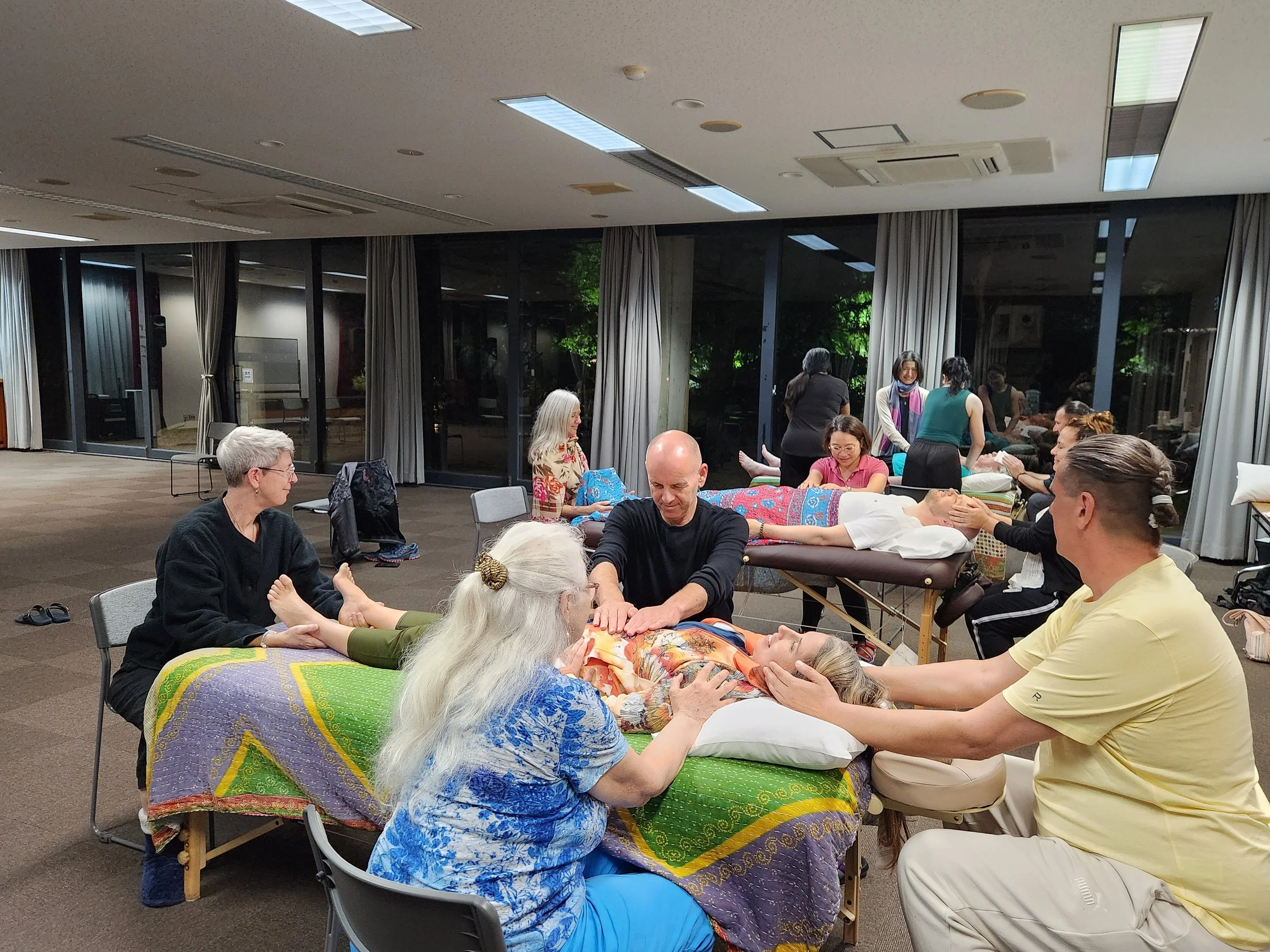
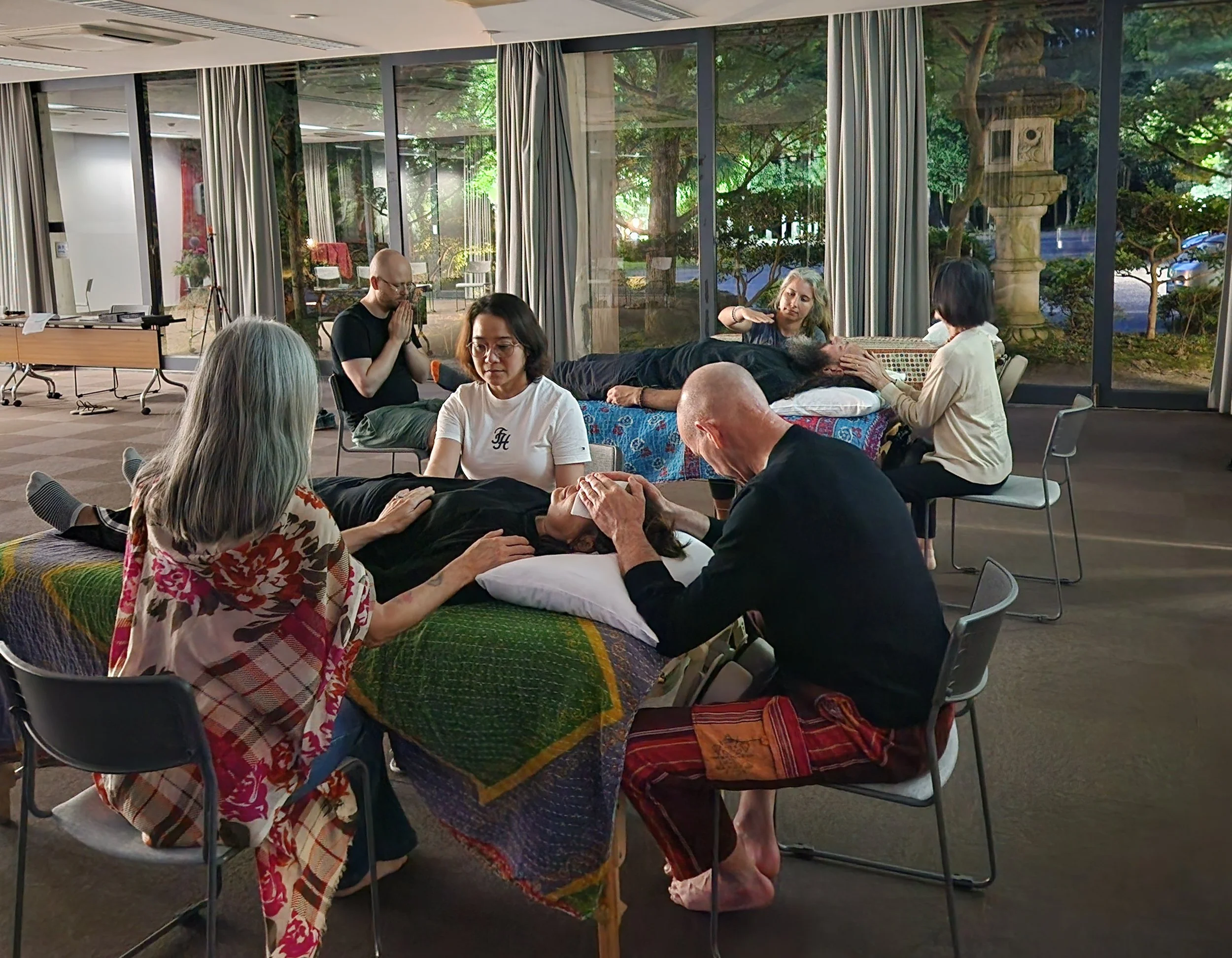
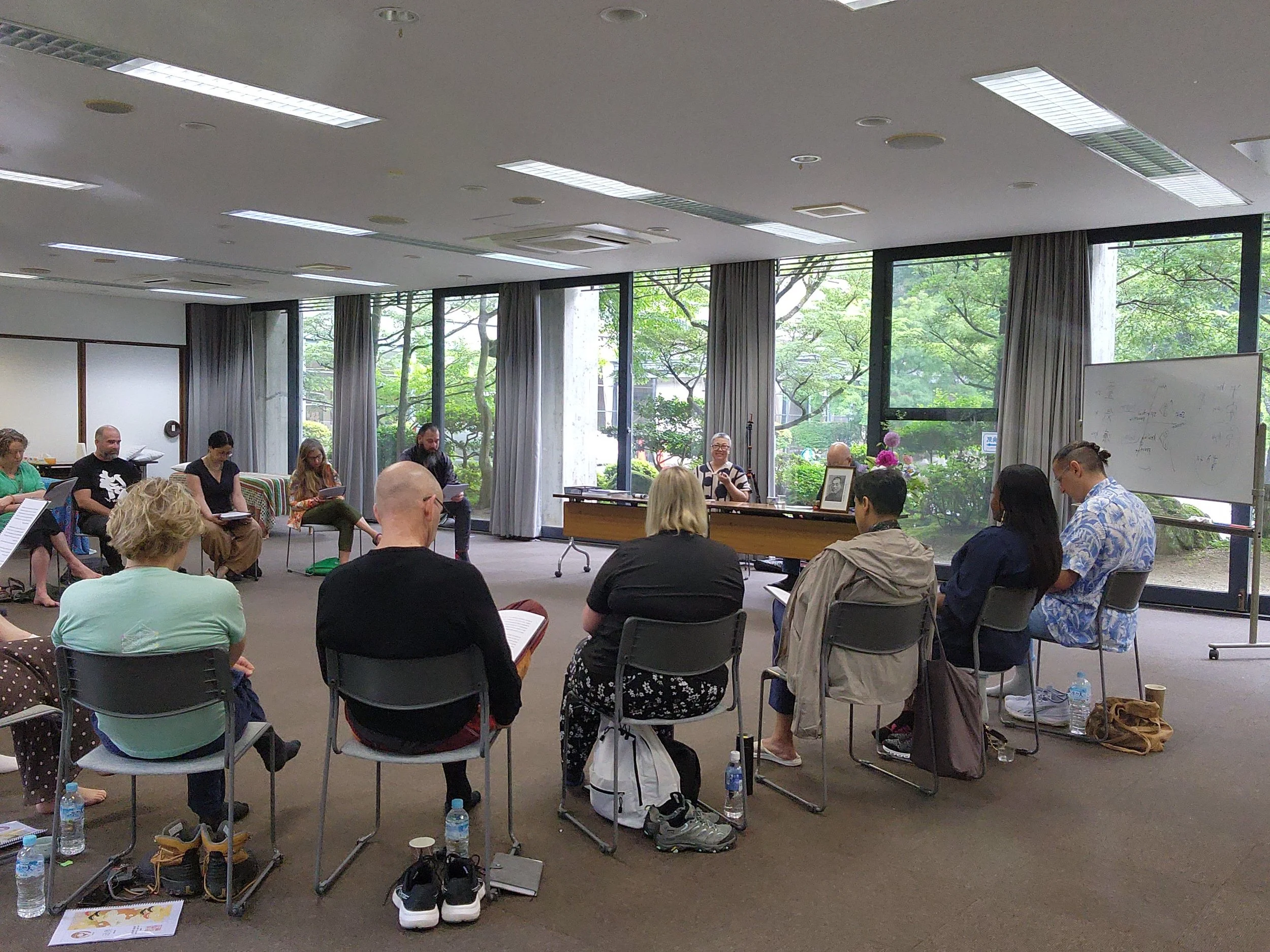
初伝 Shoden — Level 1
Shoden is the foundation of the Komyo ReikiDo practice. This training introduces you to the history, principles, and practice of Reiki Ryoho while beginning the development of your personal Reiki practice.
The focus is on self-practice, learning the fundamentals of hands-on Reiki, and developing a deeper understanding of Reiki through experience and consistent practice.
What You'll Learn
Foundations and history of Reiki Ryoho
Reiki principles and their application
Gassho meditation and other foundational practices
Self-treatment and hands-on Reiki techniques
Practical applications of Reiki
Developing a consistent self-practice
Four Reiju/Attunements will be given as part of the training
Training Details
Prerequisite: None
Duration: 2 days | 10 AM–5 PM daily
Investment: $250
Upcoming Training: Dates and location to be announced
Komyo ReikiDo includes four levels of training, with each level building upon the previous one. My training program currently begins with Shoden and Chuden, providing students with a strong foundation before progressing into the deeper teachings of Okuden and Shinpiden.
中伝 CHUDEN — Level 2
Chuden builds upon the foundation established in Shoden and introduces practices that expand your understanding and application of Reiki. Students are introduced to the Reiki symbols and their uses while continuing to deepen their personal practice and ability to work with Reiki.
What You'll Learn
Review and continued practice of Shoden
Introduction to the 3 Reiki symbols
Understanding and application of the symbols
Distant Reiki practice
Additional Reiki techniques
Continued development of your Reiki practice
Four Reiju/Attunements will be given as part of the training
Training Details
Prerequisite: Shoden and minimum required period of practice
Duration: 2 days
Investment: TBD
Training Date: TBD
ADVANCED LEVELS
奥伝 OKUDEN — Level 3
Inner Teaching
Focuses on deeper spiritual cultivation and continued development within the practice.
神秘伝 SHINPIDEN — Teaching Level
Advanced Training
The teaching level of Komyo ReikiDo, representing an advanced commitment to the practice and preparation to share the teachings.
Reiki Training Interest List
Interested in upcoming Komyo ReikiDo training?
Complete the form below to receive updates when new training dates and registration details become available. Joining the interest list does not require a commitment to enroll.